Process Improvement Consultant Healthcare
Healthcare organizations operate through a complex network of clinical, administrative, financial, and support processes. When those processes become fragmented, even small inefficiencies can create larger operational challenges. Repeated data entry, unnecessary handoffs, scheduling delays, unclear ownership, inconsistent workflows, and disconnected systems can make it harder for employees to do their jobs efficiently while affecting the overall patient experience. A Process Improvement Consultant for Healthcare helps organizations examine how work is actually being performed and identify practical opportunities to improve how the organization operates.
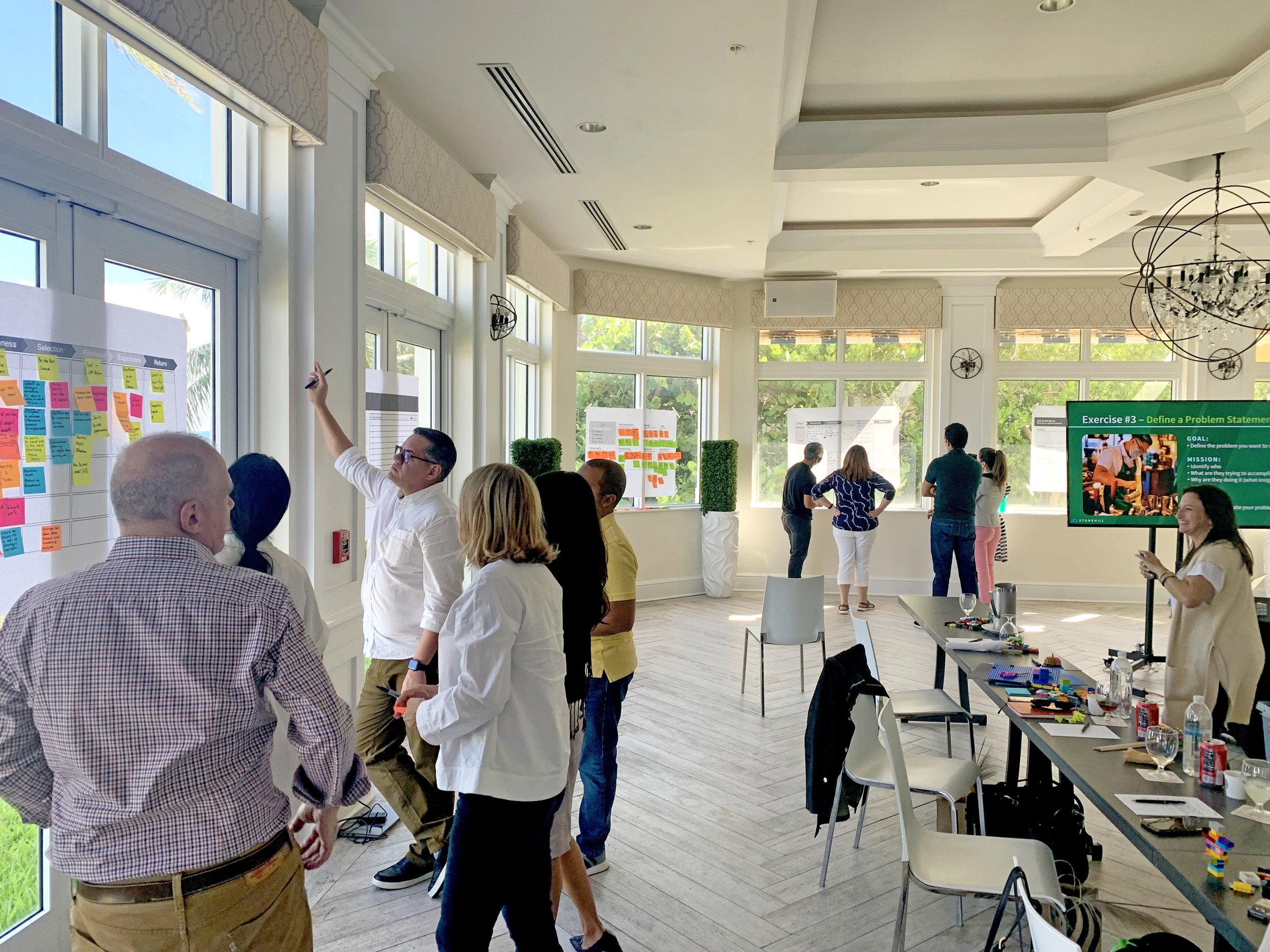
Stonehill works with healthcare organizations to evaluate processes across departments and identify where unnecessary complexity, duplication, or delays are affecting performance. We work directly with leadership, operational teams, and the employees closest to the work to understand the current state before recommending changes. This allows us to develop improvements that account for the realities of the organization rather than designing processes that only work on paper.
Stonehill's Healthcare Process Improvement Services
Healthcare Process Assessments
Workflow Mapping & Redesign
Operational Efficiency
Process Standardization
Performance & KPI Development
Technology & AI Opportunities
Implementation Support
Healthcare process improvement can involve everything from administrative workflows to the processes that support clinical operations. The right starting point depends on where the organization is experiencing friction. Stonehill may examine how information moves between departments, where unnecessary steps exist within a workflow, how responsibilities are divided, or where inconsistent processes are creating avoidable work.
A major part of effective healthcare process improvement consulting is understanding the difference between a documented process and the process employees actually follow. Workarounds often develop because existing procedures do not account for operational realities. By working with the people who perform the work every day, Stonehill can identify where those gaps exist and determine whether the underlying issue is related to workflow design, technology, communication, staffing responsibilities, or another operational factor.
Technology can also create opportunities to improve healthcare operations, but implementing a new system does not automatically improve a process. If an inefficient workflow is simply transferred into a new platform, the organization may still experience many of the same problems. Stonehill helps organizations evaluate the process first, then determine where technology, automation, or AI can meaningfully improve efficiency, information flow, or decision-making.
Process changes can affect employees across clinical and administrative functions, which makes implementation just as important as the redesign itself. Stonehill connects process improvement with change management, organizational design, project management, and PMO consulting to help organizations address the people and operational considerations that accompany process changes. This can be especially important when improvements are part of a larger technology implementation, organizational restructuring, acquisition, or transformation.
Stonehill works as an extension of your healthcare team. We collaborate with executives, operational leaders, process owners, and employees to understand the organization and help move improvements from analysis into execution. Our role can be focused on a specific workflow or expanded to support a broader operational improvement initiative.
Healthcare organizations need processes that support both operational performance and the people responsible for delivering services. Through Healthcare Process Improvement Consulting, Stonehill helps organizations simplify how work gets done, improve coordination between teams, reduce unnecessary operational friction, and create more consistent ways of working that can support long-term organizational performance.